
2045. Build the evidence behind it.
NEUVIOR’s retained April 2026 carbon plan states a company-wide commitment to net zero by 2045, covering Scope 1, Scope 2 and all relevant Scope 3. Our task is to connect that direction with a complete inventory, accountable operating decisions and a public record people can examine.
The target is documented. Progress needs measurement.
The original plan records the target and says the first full greenhouse gas inventory is still in progress. It does not publish quantified baseline or current emissions totals. A statement of direction should not be mistaken for a measured reduction, an independently validated target or an achieved sustainability assessment.
The current-position companion preserves that distinction and identifies the next decisions for company review. It does not create new interim percentages, a carbon-neutral claim or a signature on behalf of the director.
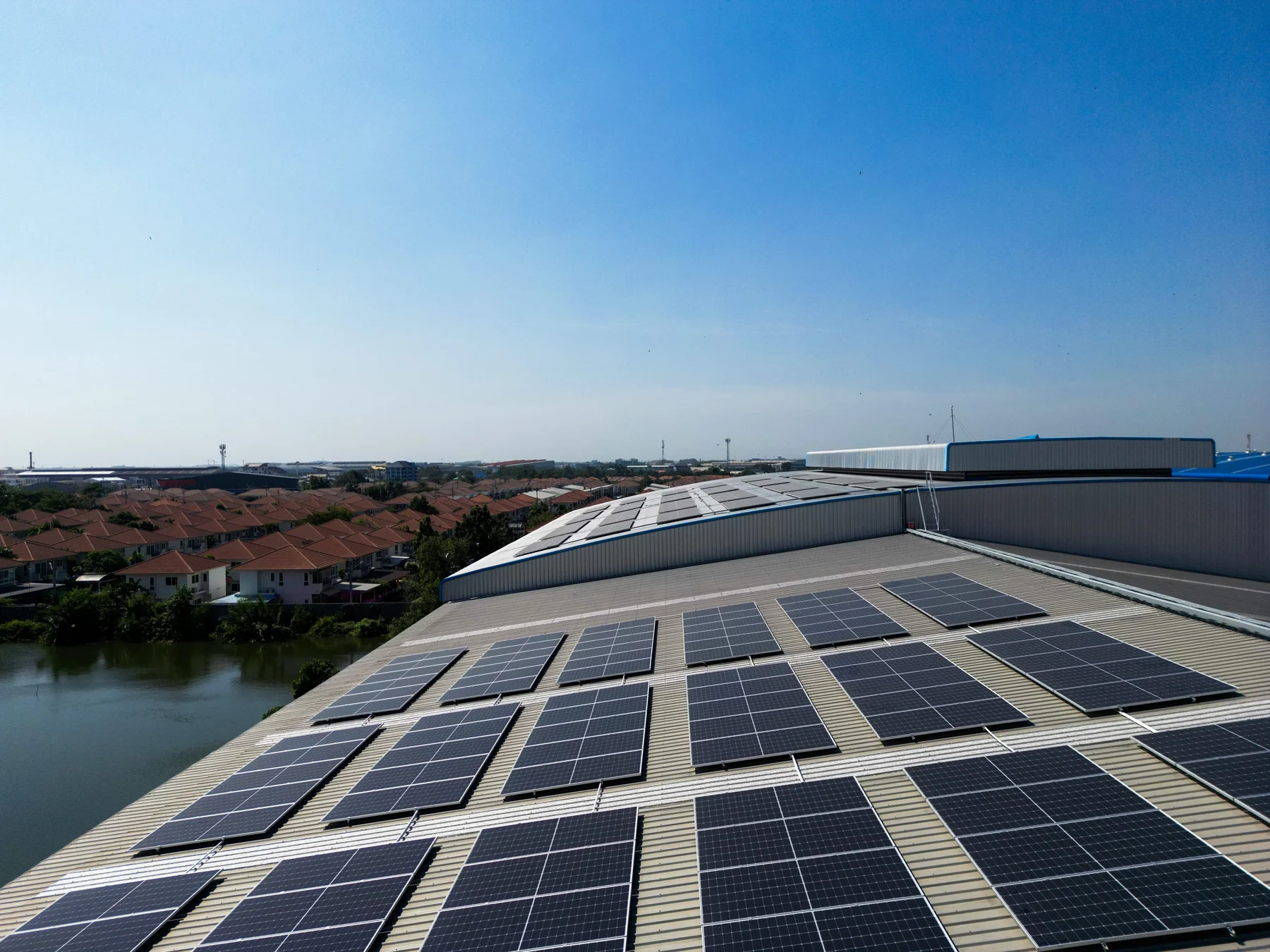
Illustrative stock photography of rooftop photovoltaic panels. This is not a NEUVIOR property or evidence of installed generating capacity, measured carbon reduction or progress against the company’s net-zero commitment.
ultramansk · Solar Panels Installed on Industrial Building Roof Overlooking Suburban NeighborhoodEnvato Elements commercial licence
Source and image notes
Full frame retained; EXIF orientation honoured, proportionally resized and encoded as WebP. No crop, creative colour grading, compositing or generative changes.
Account for the organisation that exists.
Confirm the reporting entity, period and operational-control boundary before the first complete inventory is approved. Relevant value-chain activity needs consideration alongside direct operations. A global boundary means complete coverage of the entity’s actual operations, wherever they occur; it does not imply that every place shown on a company map is an office.
Evidence collection should make units, assumptions and sources visible. Where a category is not relevant, explain the basis. Where information is missing, identify the record needed rather than presenting an unsupported zero.
Direct effort towards useful reductions.
The existing plan describes virtual collaboration, a travel hierarchy, efficient computing, responsible equipment use and supplier screening. Review which measures are in effect and which remain planned. An action should have a clear operating purpose and a way to establish whether it changed the footprint.
Growth may change the business more quickly than an annual reporting cycle. New premises, laboratory activity, vehicles or material supplier changes should prompt a boundary review. The company needs to understand what changed before presenting the difference as progress.
A documented 2045 direction
Which operating choice could produce a reviewable reduction?
The recorded target gives a direction; the inventory must show where action can matter. Walk through a proposed operating review that connects actual company activity with a testable change and a later report. The sequence leaves unmeasured progress unfilled and avoids inventing interim percentages or an assessment already achieved.
Editorial decision model, not measured NEUVIOR results.
Choose a measure whose effect can be examined.
The team can connect a real activity with an accountable change and a practical way to observe its consequence. The outcome may initially be a better inventory or a narrowed action rather than a reduction claim. Either can improve the next management decision.
Specify the activity, owner and review observation before claiming progress.
Understand actual activity
The first complete inventory should describe the organisation that exists, including relevant direct and value-chain activity. A growing business may change quickly. New premises, laboratory work or supplier arrangements should prompt review of the boundary before any difference is presented as improvement.
- Prioritise with evidence
Current activity, reporting boundary and material changes.
A useful next stepIdentify the activity records needed to establish a useful starting position.
The route to the recorded target begins with accountable operating choices and evidence of their actual consequences.
Keep the NHS ambition precise.
Level 2 preparation is the immediate proposed evidence exercise, while NHS Evergreen Level 3 remains the wider stated target. The current matrix distinguishes comprehensive global reporting from the further validation, verification and modern-slavery requirements at Level 3. The reviewed records do not establish attainment of either level.
NHS procurement carbon requirements are also changing from 1 April 2027. The applicable tier and assurance conditions depend on the procurement. The recorded 2045 target is earlier than the minimum 2050 target in the published wider CRP policy, but the date alone does not make an incomplete inventory compliant.
Make the next governance review concrete.
The company needs to confirm the current validity of the recorded target, choose the inventory reporting period and boundary, assign evidence collection and review the measures actually operating. A completed inventory and declaration will need the appropriate approval when ready.
The designed roadmap is a review draft of this work. It leaves missing emissions figures, assessment results, independent assurance and future commitments unfilled. That creates a more useful public position than either erasing the existing direction or decorating it with unearned credentials.