
Ingenuity deserves a revealing next test.
A research programme moves forward when the next result can change a decision. That is the connection we want between imagination and evidence.
Across Medicines Intelligence, Biomedical Research and Resource Economics, our approach is to define a useful question, choose an informative comparison and let the result shape the next commitment.
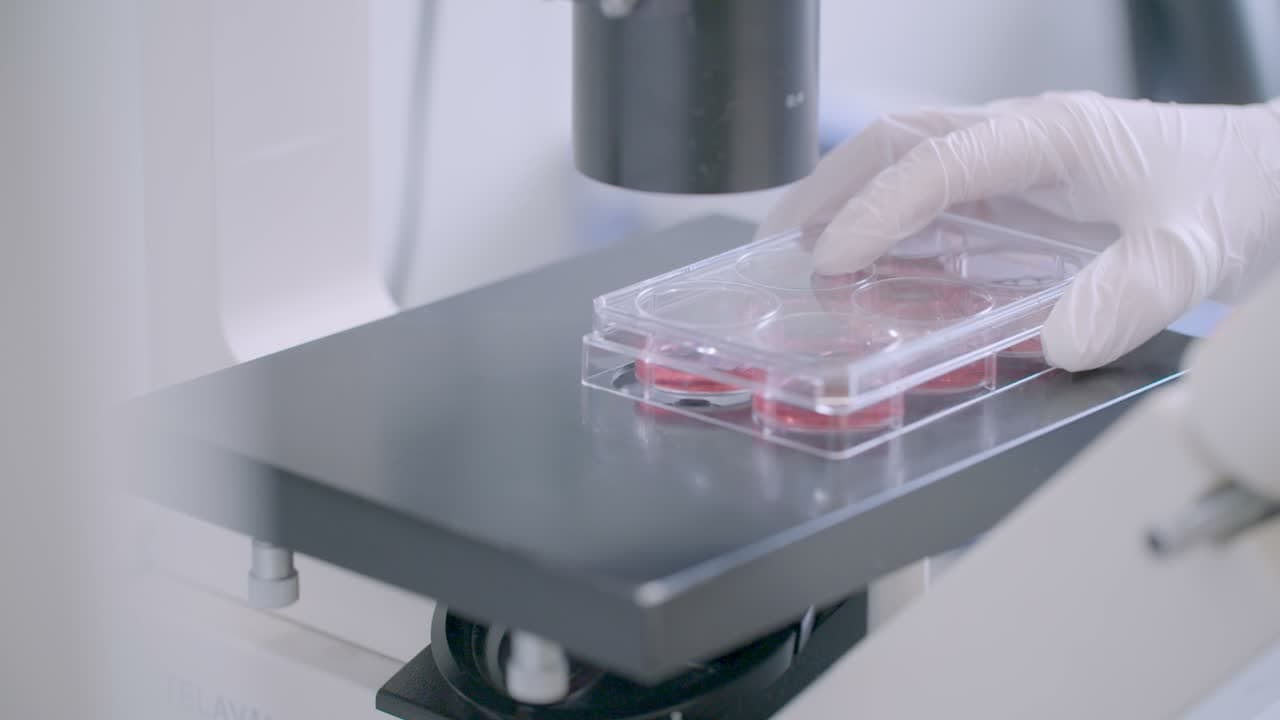
Start with a problem someone needs resolved.
A programme needs a clear account of the difficulty it is addressing and who would benefit from a useful answer. The person doing the work, the organisation making a decision and the intended user of an eventual development may see different parts of the same problem.
We begin by bringing that context into view. A medicines workflow needs an identifiable task. A biological programme needs a defined mechanism or behaviour. An industrial resource question needs a useful output and operating requirement. The question gives the research a reason to exist.
Choose an alternative that makes the comparison meaningful.
A new approach should face a relevant alternative. In software, that may be competent existing practice. In materials, it may be the incumbent under the same functional requirement. In biology, suitable controls help distinguish between competing explanations.
The comparator is part of the scientific argument. It determines what a result can tell us and which conclusions would reach beyond the design. Being clear about the alternative also helps an evaluation partner understand how the study relates to a decision they might actually make.
Define what a result would mean before collecting it.
Which observation would support the proposed explanation? Which would weaken it? Which would leave the question unresolved? These choices help a study generate interpretable learning and make the next decision less dependent on an attractive narrative.
The plan should identify the measurement, the relevant conditions and an account of uncertainty. It should also explain what follows a result. A strong early finding may justify a more demanding comparison. An ambiguous one may require a better method or a narrower question.
Make the method suitable for the question.
The right method depends on what is being examined. Review-quality research needs an appropriate task and qualified assessment. A biological study needs a model capable of representing the mechanism under investigation. Resource research needs measurements that connect inputs with a defined output.
Relevant expertise helps judge those choices. We want a design that can reveal the important difference, including the conditions under which an approach performs poorly. A polished demonstration has a role in communication; an evaluation needs a comparison capable of answering its question.
Build the necessary permissions into the work.
Data, samples, people and intellectual property bring responsibilities into research design. Appropriate access, permitted use and the relevant ethical or institutional requirements need to be understood before the work begins.
UKRI’s good-research resources bring together guidance on these areas. We use such references to inform the questions a proposed study must resolve in its own setting. The exact requirements depend on the activity, the organisations involved and the jurisdiction. They should have an owner and a clear route to completion.
Keep the record understandable to another qualified person.
An interpretable result depends on the method, inputs and conditions that produced it. Sources, relevant versions, changes and the reasoning behind a choice need to remain connected with the output.
That record supports review and helps identify why a result changes. It also gives a team a stronger basis for sharing released findings or designing a follow-on study. Research integrity and responsible openness are practical parts of producing work that others can assess and build on.
Include the people and setting that give the work meaning.
User experience, patient priorities and industrial constraints can affect what a useful result looks like. Involvement should have a defined purpose: improve the question, reveal a burden, clarify a practical requirement or make communication easier to understand.
We want that input early enough to influence the design. A medicines professional may identify a task the proposed workflow misses. A caregiver may highlight a priority absent from a laboratory endpoint. An engineer may expose an operating constraint that changes the resource comparison.
Let learning determine the next commitment.
The result should inform whether to continue, refine, redirect or stop. Those decisions need to account for the evidence, the resources required and the value of resolving the next uncertainty.
This is how an ambitious portfolio remains focused. Different programmes have different development paths, but each needs a worthwhile question and a justified next step. We intend public programme updates to explain that connection as releasable evidence develops, including what the work has taught us and what remains to be established.
What would a revealing comparison look like in your setting?
Bring the question, the current approach and the result that would change your next decision.















