
Author: Varun Sharma. Original publication: 1 August 2026. Original local update: 2026 08 27.
A pharmaceutical question can reveal an infrastructure need
PHARMORIS is being developed to connect medicines evidence with human review, accountable implementation, and subsequent evaluation. A useful signal still needs a person who owns the next decision and evidence that the proposed change fits the setting.
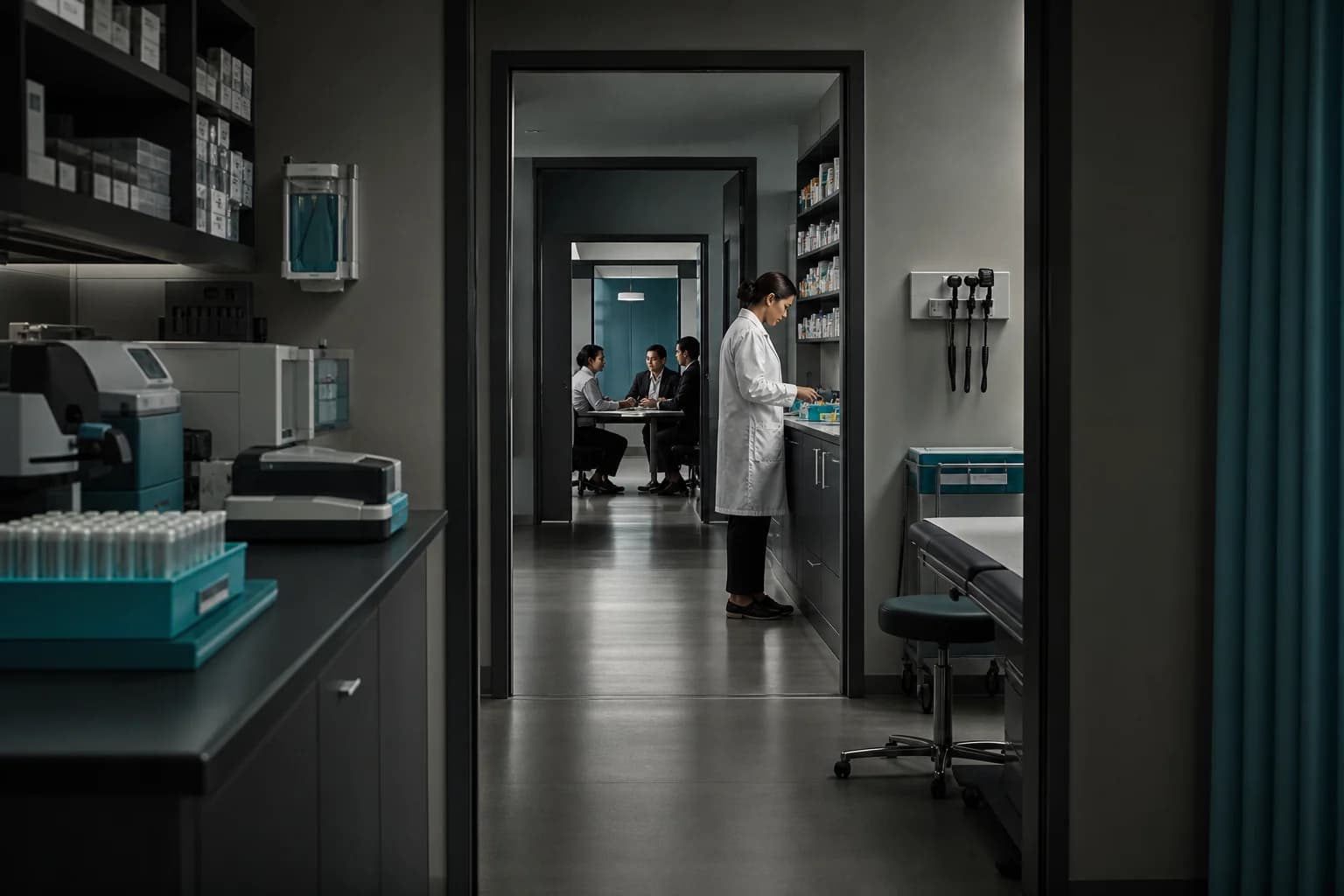
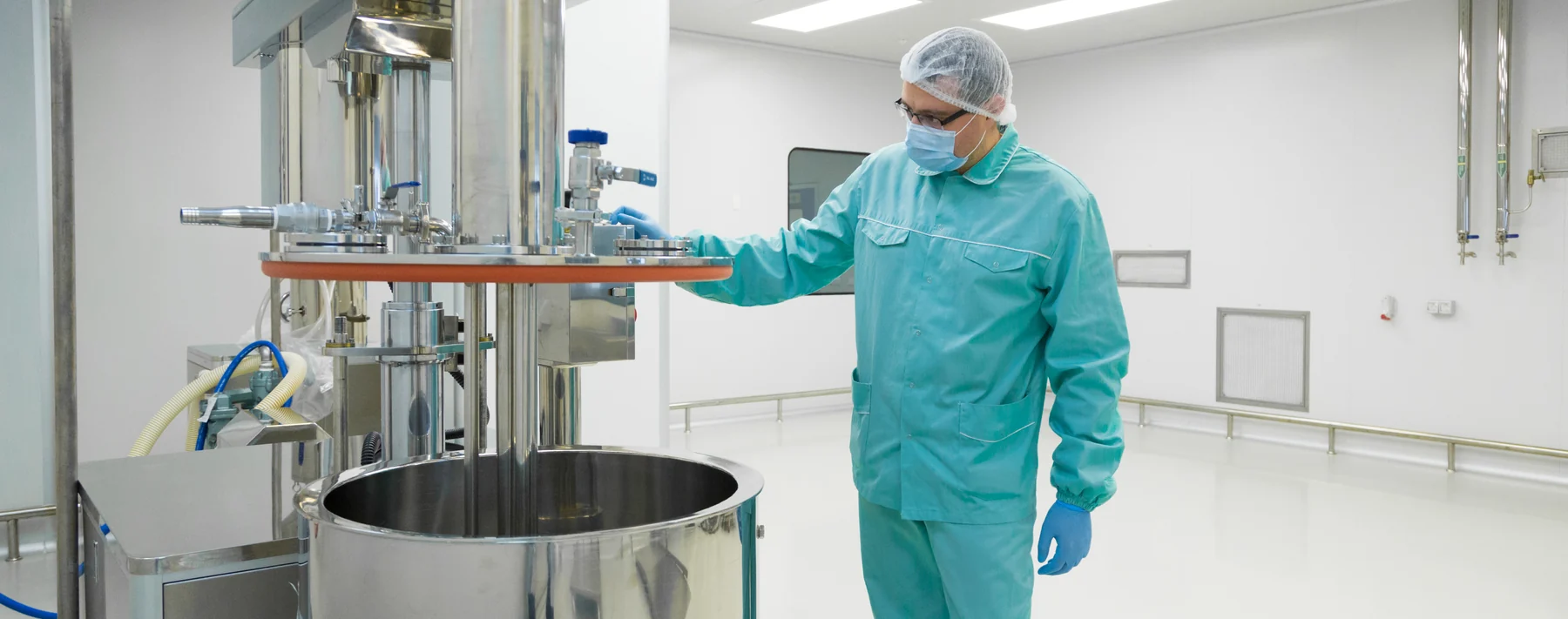
The campus programme asks a related question: which scientific environments could future medicines work need, and when would a dedicated capability be justified? Formulation, analysis, quality, digital systems, utilities, and people must connect around identifiable users.
One public narrative with distinct development stages
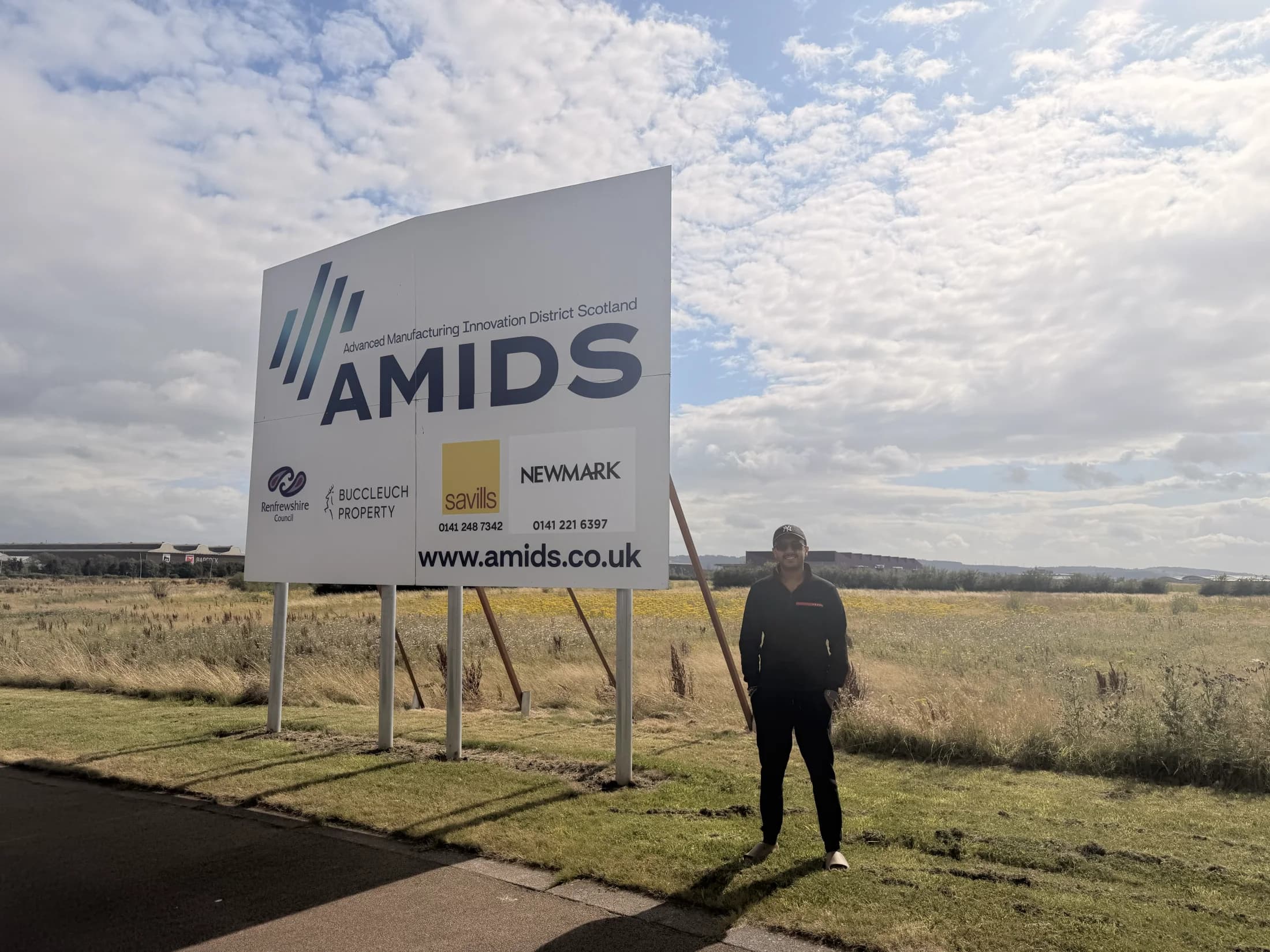
Glasgow and Hyderabad are predevelopment pathways within NEUVIOR’s public narrative. Their technical and commercial cases remain separate. A programme may use qualified external facilities or shared access before any case for owned infrastructure is established.
Founder perspective
When does a medicines question justify physical infrastructure?
Software and a campus can share a concern with useful decisions while requiring very different evidence. Compare the two development paths and inspect the access question between them. The interaction preserves the article’s distinction: a medicines-intelligence opportunity does not automatically establish demand for a laboratory, a building or an owned site.
Editorial decision model, not measured NEUVIOR results.
Prove the task before broadening the proposition
The technology lens asks whether a defined organisation has a recurring workflow problem and whether the proposed method can help. Its proof concerns task quality, effort, governance and buying interest. Those findings should remain attached to the evaluated setting rather than become a broad claim of scientific or infrastructure readiness.
Keep the software evaluation’s evidence boundary separate from the campus case.
Access can precede ownership
The infrastructure lens starts with what the scientific work requires, then compares access options with a dedicated environment. It should reveal the cost and constraint that makes ownership worth considering. A visually coherent campus concept is useful for discussion while still requiring independent evidence for every proposed capability.
Compare the first technical programme under external access and owned-space assumptions.
Decision workflow
A medicines-intelligence proposition begins with a buyer problem, a defined task and a credible comparator. The development question concerns whether the workflow can improve preparation or follow-through within an appropriate assurance route. A useful software evaluation does not itself demonstrate demand for laboratory infrastructure.
- A question may need measurement
- Define intended use
Buyer problem, task boundary and relevant evaluation evidence.
A useful next stepSpecify the work the medicines organisation would actually pay to improve.
Connected programmes need distinct proof before they share a larger commitment.
This sequence does not make every software opportunity a medicine development programme. Human authority, independent scientific review, conflicts management, data and intellectual property rights, and the appropriate regulatory responsibilities remain necessary.
What progress would establish
For PHARMORIS, progress means a defined buyer problem, a testable workflow, an assurance route, and evidence about the work the product adds or removes. For a campus, progress means justified demand, a phased technical brief, site and utility diligence, accountable operation, a credible cost model, permissions, and funding for the authorised phase.
No operating campus, controlled site, licensed manufacturer, installed laboratory, construction finance, or legal transfer is established by publishing this direction.